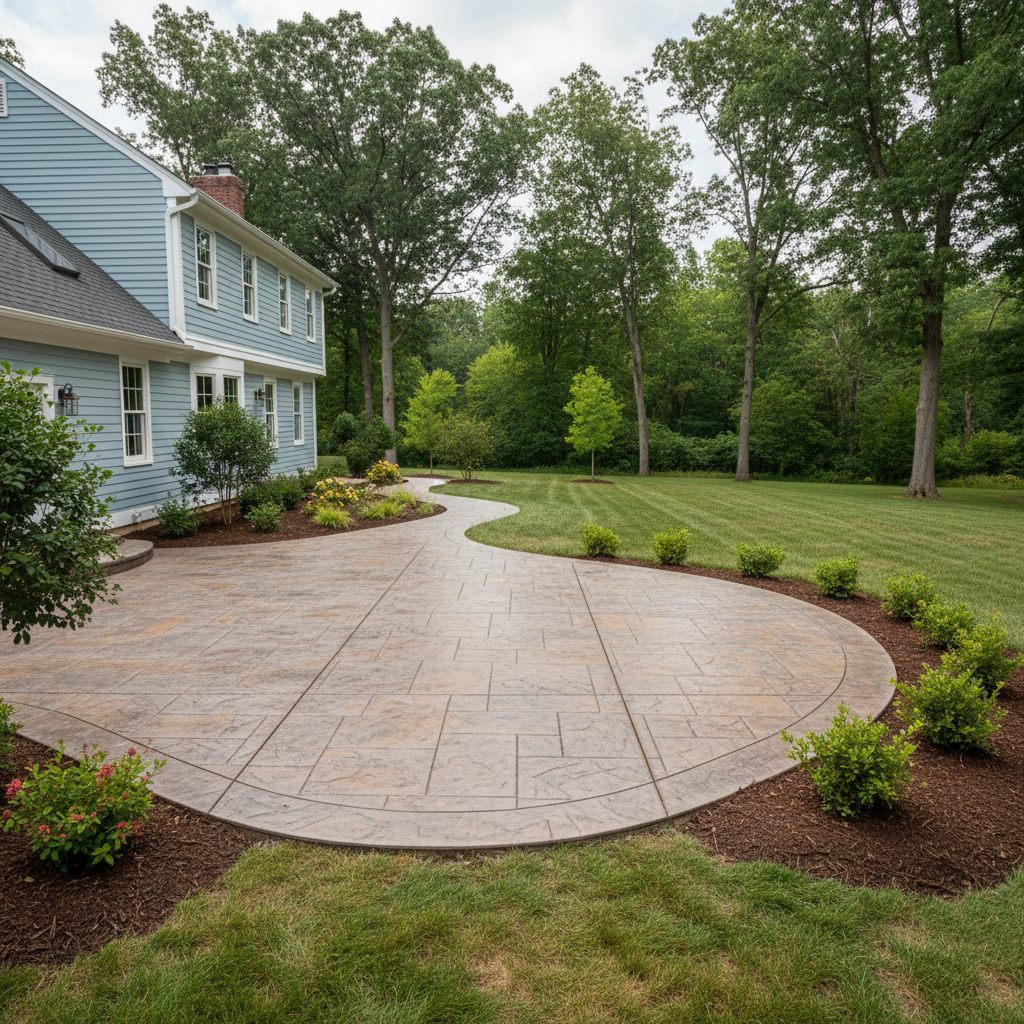
So, you're dreaming of a new stamped patio, a stained concrete floor, or maybe some cool decorative concrete around your pool. That's awesome! Decorative concrete can really transform a space, adding tons of curb appeal and value. But before you jump in, there are a few things you should know to make sure your project goes smoothly. I've been doing this for a long time here in Hartford, and I've seen it all. Let's talk about how to plan this right.
Planning Your Project Timeline
First off, don't rush this. Decorative concrete isn't like painting a wall; it's a specialized skill, and good contractors are busy. If you're thinking about a summer project, you should be talking to contractors in late winter or early spring. Seriously. Especially for outdoor work, we're at the mercy of the weather. We need consistent temperatures, not too hot, not too cold, and definitely no rain during critical stages. Here in Hartford, that means our prime season is usually late April through October. If you wait until June to start calling around, you might find yourself waiting until next year, or settling for someone who isn't really up to the task.
A typical project, even a smaller patio, can take anywhere from a few days to a couple of weeks once we start pouring. That doesn't include the prep work, the curing time, and any sealing. So, give yourself and your contractor plenty of lead time.
What to Expect During the Process
Okay, you've picked your contractor (hopefully us, Hartford Concrete Paving!), and the project is about to kick off. What's it actually going to look like?
- Initial Site Visit and Design: We'll come out, look at your space, talk about your ideas, and help you pick patterns, colors, and finishes. We'll measure everything and give you an estimate. This is where we figure out if you want a cobblestone look, a wood plank texture, or something else entirely.
- Preparation is Key: This is probably the most important, and often the messiest, part. We'll need to excavate the area, which means digging out dirt. There might be old concrete to remove. We'll lay down a proper sub-base – usually gravel – and compact it thoroughly. Good drainage is crucial, especially with our New England winters and the freeze-thaw cycles we get here. If the base isn't right, your concrete won't last.
- Formwork and Reinforcement: We'll build forms to shape the concrete, and then we'll put in rebar or wire mesh. This reinforcement helps prevent cracking and gives the slab strength.
- Pouring and Finishing: This is where the magic happens. We pour the concrete, then we work quickly to get the desired finish. If it's stamped, we apply release agents and then press the stamping mats into the wet concrete. For stained concrete, the staining might happen after it cures. This part is time-sensitive, so you'll see us moving fast.
- Curing: Once poured, concrete needs to cure properly. This isn't just drying; it's a chemical process that strengthens the concrete. We might spray on a curing compound or cover it. You'll need to stay off it for a few days, sometimes longer, depending on the type of concrete and the weather.
- Sealing: Finally, we'll clean and seal the concrete. The sealer protects it from stains, weather, and wear, and really brings out the color and pattern.
Expect some noise, some dust, and a bit of disruption. We'll do our best to minimize it, but it's construction, after all.
How to Prepare Your Home and Yard
You can help make things easier for everyone. Here's what I recommend:
- Clear the Area: Move any patio furniture, grills, planters, or anything else out of the work zone. If we're working near your house, clear a path for us.
- Protect Plants: If there are shrubs or delicate plants nearby, cover them with tarps or plastic sheeting. We try to be careful, but concrete dust and splashes happen.
- Access: Make sure we have clear access to the work area. If we need to bring in heavy equipment, know where we can drive without damaging your lawn or existing landscaping.
- Utilities: Know where your sprinkler lines, underground dog fences, or other buried utilities are. Mark them if you can. We'll call for Dig Safe, but it's always good for you to have an idea too.
- Pets and Kids: Keep them away from the work zone. Wet concrete isn't a playground, and heavy machinery is dangerous.
Questions to Ask Before Signing a Contract
Don't just go with the cheapest bid. Ask these questions:
- Are you licensed and insured? This is non-negotiable. You need to know that if something goes wrong, they're covered, and so are you.
- Can I see examples of your decorative concrete work? Photos are good, but if they have a local project you can drive by, even better.
- What's your process for site preparation and drainage? Listen for details about sub-base, compaction, and how they handle water runoff. This is critical for longevity, especially in areas like the West End where some older homes have tricky drainage.
- What kind of warranty do you offer on your work? A good contractor stands behind their product.
- What's included in the price? Get a detailed breakdown. Does it include excavation, disposal of old concrete, materials, labor, sealing, and cleanup? Are there any hidden fees?
- How do you handle changes to the scope of work? What if you decide you want an extra foot of patio? Get it in writing how changes are handled.
- What's the payment schedule? Typically, there's an upfront deposit, progress payments, and a final payment upon completion.
- How long will the project take, and what's your communication plan? You want to know when to expect updates and who your main point of contact will be.
- What maintenance will the decorative concrete require? Good decorative concrete needs occasional cleaning and resealing to keep it looking its best. They should tell you this upfront.
Asking these questions will help you find a reliable contractor and ensure you get the beautiful decorative concrete project you're hoping for. We're always happy to answer them here at Hartford Concrete Paving, and we want you to feel confident in your choice.