When's the best time to pour concrete around here? That's a question I get a lot, and for good reason. You want your new driveway or patio to last, and a big part of that comes down to scheduling the work right. It's not just about when we're available; it's about what the weather's doing and how that affects the concrete itself.
Understanding Our Hartford Seasons
Here in Hartford, we get the full four seasons, and each one brings its own challenges and opportunities for concrete work. You've got to respect the weather, or you'll end up with problems down the line. I've seen it happen too many times when folks try to rush a job in less-than-ideal conditions.
Spring: The Sweet Spot (Mostly)
Spring, usually from late April through June, is often considered prime time. The ground's thawed out, and you're typically looking at temperatures that are just right – not too hot, not too cold. Concrete cures best when it's between 50 and 80 degrees Fahrenheit. In spring, we often get those daytime temps, and the nights aren't dipping too far down.
- The Good: Consistent, moderate temperatures. Less risk of extreme heat or freezing.
- The Catch: Rain. We get a lot of spring showers, and you can't pour concrete in standing water. It dilutes the mix, weakens the slab, and can cause all sorts of surface issues. We're always watching the forecast like hawks. If it looks like a washout, we'll reschedule. It's better to wait a day or two than to pour a bad slab.
- Soil Conditions: After a long winter, the ground can be pretty saturated, especially in some of the older, lower-lying neighborhoods around the South End. We need to make sure the sub-base is properly drained and compacted before we even think about pouring.
Summer: Hot, Hot, Hot
July and August can be tricky. While it's tempting to get projects done during the longest days, high heat brings its own set of problems for concrete. When it's really hot, especially with low humidity, concrete can dry too fast. This leads to cracking, flaking, and a weaker surface. We call it 'flash setting.'
- The Challenges: Rapid drying, increased risk of plastic shrinkage cracking, and difficulty achieving a smooth finish. We often have to add retarders to the mix or use curing compounds immediately after finishing to slow down the process.
- What We Do: We'll often schedule pours for early mornings to beat the worst of the heat. We also pay extra attention to proper curing, which means keeping the concrete moist for several days after it's poured. Think of it like a thirsty plant; it needs water to grow strong.
Fall: A Second Chance
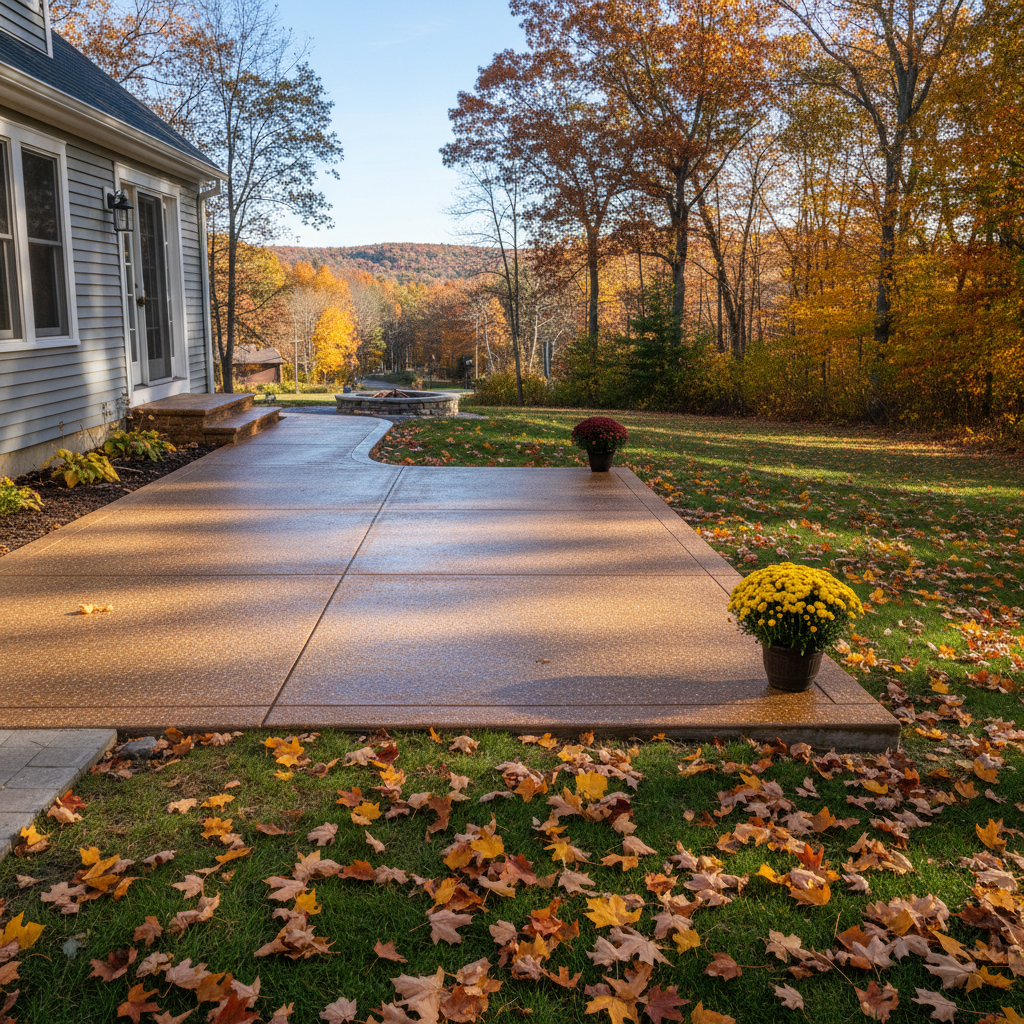
September and October can be fantastic for concrete work, often rivaling spring. The summer heat has usually broken, and we get those crisp, clear days with comfortable temperatures. The ground is typically drier than in spring, too.
- The Upside: Stable temperatures, usually less rain than spring, and good curing conditions.
- The Downside: The clock's ticking. You've got to watch out for those first hard frosts. If temperatures dip below freezing too soon after a pour, it can severely damage the concrete. We need a good window of at least a week, ideally more, where temperatures stay above freezing, especially at night.
Winter: Mostly a No-Go
Honestly, I try to avoid pouring concrete in winter here in Hartford unless it's an absolute emergency or a very specific indoor project. The cold is just too risky. Water in the concrete mix expands when it freezes, and if that happens before the concrete has gained enough strength, it'll destroy the slab. You'll get spalling, cracking, and a surface that just won't hold up.
- The Risks: Freezing temperatures, slow curing, and the need for expensive heating and insulating blankets.
- My Advice: Plan ahead. If you're thinking about a big concrete project, don't wait until November. Get it on the schedule with Hartford Concrete Paving for spring or fall. You'll be much happier with the results.
Protecting Your Investment Year-Round
Once your concrete is in, you want to keep it looking good and performing well. Here are a few things you can do:
- Seal It: I can't stress this enough. A good quality sealer protects against moisture, stains, and the freeze-thaw cycles that are so tough on concrete here in Connecticut. We recommend sealing every 2-3 years, depending on traffic and exposure.
- Be Smart with De-icers: Avoid de-icers that contain ammonium nitrates or ammonium sulfates. These are really harsh and can damage your concrete surface. Stick to products like calcium chloride or potassium chloride, or even better, just sand for traction.
- Clean Regularly: Sweep off debris, leaves, and dirt. Don't let organic matter sit on your concrete for long periods, especially in damp conditions, as it can lead to staining or even moss growth.
- Watch for Cracks: Small cracks can happen, even with the best pours. If you see them, especially if they're growing, give us a call. Sometimes they're just cosmetic, but other times they can indicate a bigger issue that needs to be addressed before it gets worse.
Getting your concrete project done right means understanding our local climate and planning accordingly. It's not just about getting it poured; it's about getting it poured at the right time so it lasts for decades. If you've got questions about timing your next project, don't hesitate to reach out. We're always happy to talk through it.