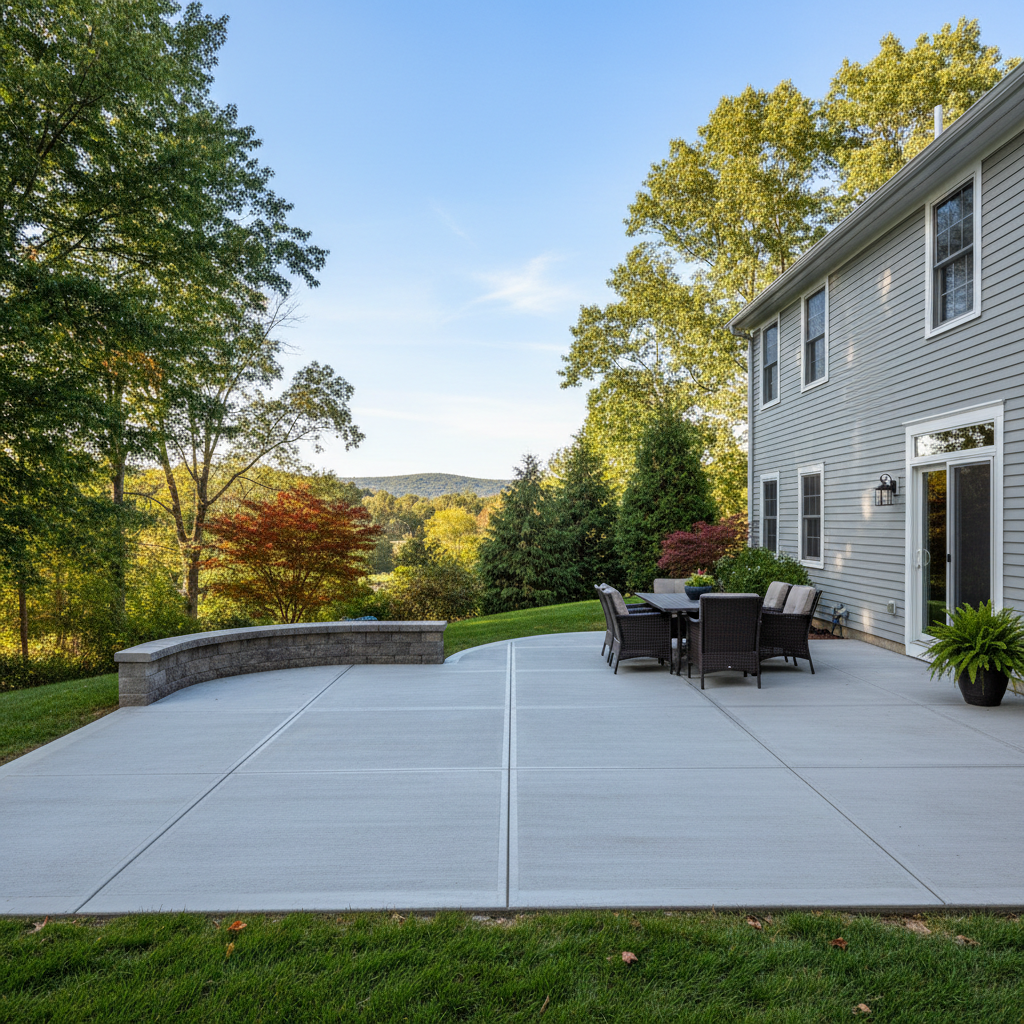
So, you're thinking about a new patio, maybe a nice spot for the grill or an outdoor dining area. That's fantastic! A concrete patio is a solid investment, literally. But after 25 years in this business, I've seen enough projects go sideways to know there are some common blunders folks make when they're planning or hiring for this kind of work in Hartford. Let's talk about what to watch out for so you don't end up with regrets, okay?
Skimping on the Site Prep
This is probably the biggest one, and it's almost always invisible until it's too late. People think a patio is just a slab, right? Pour it and you're done. Nope. The ground underneath that concrete is just as important, if not more so, than the concrete itself. If your contractor doesn't properly excavate, grade, and compact the base material, you're asking for trouble. We're talking cracks, uneven settling, and drainage issues down the road.
I've seen patios poured right over existing, uncompacted soil, especially in some of the older West End neighborhoods where the ground can be a real mix of fill and clay. You need a good, stable sub-base – usually gravel – that's been properly compacted. If your contractor isn't talking about excavation depth, base material, and compaction, that's a huge red flag. Don't let them rush this step; it's foundational, truly.
Ignoring Drainage from the Start
Another big one, especially with our New England weather. We get plenty of rain, sometimes a lot all at once. If your patio isn't designed with proper drainage in mind, you're going to have standing water, or worse, water pooling against your house's foundation. That's a recipe for expensive repairs, believe me.
A good contractor will assess your yard's natural slope and plan for positive drainage away from your home. This might mean a slight pitch to the patio, maybe some swales, or even a channel drain if needed. If they just talk about pouring a flat slab, you need to ask more questions. You definitely don't want a new patio that turns into a pond every time it rains.
Focusing Only on the Lowest Bid
Look, I get it. Everyone wants to save a buck. But when it comes to concrete, the cheapest bid often means cutting corners. And those corners usually come back to haunt you. A low bid might mean they're using cheaper materials, skipping crucial prep steps, or employing unskilled labor. You get what you pay for, right?
When you're comparing quotes, don't just look at the bottom line. Ask why one bid is significantly lower or higher. What materials are they using? What's their process for site prep? How long have they been in business? Do they have insurance? A reputable company like Hartford Concrete Paving isn't always the cheapest, but we stand by our work because we do it right the first time. You're investing in your home; make sure it's a quality investment.
Not Thinking About Future Use
This sounds obvious, but you'd be surprised. People will get a patio poured and then realize it's too small for their outdoor furniture, or it's in the wrong spot for sunlight, or they wish they'd added a pathway to the garden. It's tough to add onto concrete seamlessly once it's poured, if you know what I mean.
Before any work starts, really think about how you'll use this space. Will you have a dining table? A fire pit? A grill? How many people will typically be out there? Measure out your furniture on your lawn to get a feel for the space. Consider the sun and shade patterns throughout the day. A little extra planning now saves a lot of headaches later.
Forgetting About Reinforcement
Concrete is strong, but it's not invincible, especially with our freeze-thaw cycles here in Connecticut. Reinforcement, like rebar or wire mesh, is crucial for adding tensile strength and helping to control cracking. It doesn't prevent all cracks – concrete always cracks – but it helps keep them tight and prevents them from spreading or becoming structural issues.
If your contractor doesn't mention reinforcement, or tries to tell you it's not necessary for a patio, that's a big warning sign. Make sure it's included in the plan and the quote. It's a small cost upfront that makes a huge difference in the longevity of your patio, truly.
Getting a new concrete patio should be an exciting project, not a source of stress. By avoiding these common mistakes, you'll be well on your way to enjoying a beautiful, durable outdoor space for years to come. Don't be afraid to ask questions and make sure your contractor is thorough. Your home deserves it.